Ever felt lost in a sea of acronyms and software updates? You're not alone. Many people find themselves needing to level up their computer skills, whether for work, personal projects, or simply to keep pace with technology. Maybe you've even searched for "computer lessons lol" hoping to find something easy and fun. The good news is, improving your tech know-how is achievable, and it doesn't have to be a chore.
At a glance:
- Understand the basics: Learn the fundamental parts of a computer and how they work.
- Explore free resources: Discover no-cost tutorials and courses to get you started.
- Consider structured learning: Weigh the pros and cons of paid courses and personalized instruction.
- Focus on practical skills: Choose lessons that teach you the skills you need for your specific goals.
- Embrace continuous learning: Stay up-to-date with the ever-evolving world of technology.
Why Computer Skills Matter
In today's digital world, computer skills are essential. They impact everything from job opportunities to everyday communication. Imagine trying to apply for a job online without knowing how to use a word processor or navigate a website. Or think about missing out on connecting with friends and family because you're unfamiliar with social media platforms. Even basic tasks like online banking or paying bills become challenging without some level of computer literacy.
Where to Start: Free Computer Basics
Before diving into advanced topics, it's crucial to grasp the foundational elements. Thankfully, many excellent free resources can guide you through the fundamentals.
GCFGlobal: Your Free Computer Basics Tutorial
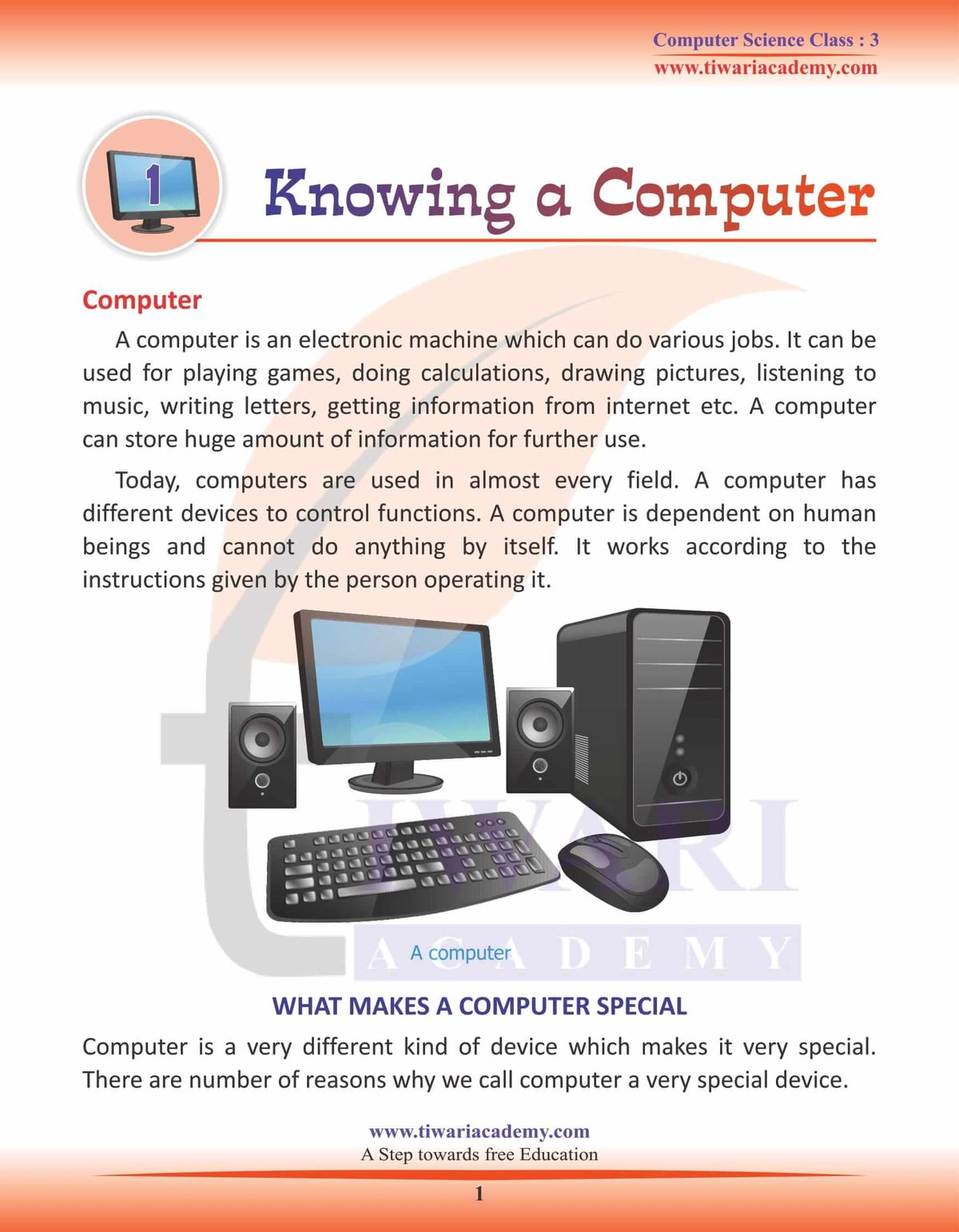
GCFGlobal.org offers a comprehensive, free Computer Basics tutorial. This covers everything from identifying computer parts (monitor, keyboard, etc.) to understanding operating systems and using applications. You'll learn about setting up a new computer, connecting to the internet, and even delving into cloud computing. They also address crucial topics like maintenance, security, and troubleshooting. If you're looking for a place to start, this is it!
What You'll Learn from GCFGlobal:
- What is a Computer? Explore its functions and capabilities.
- Basic Parts of a Computer: Familiarize yourself with the monitor, case, and keyboard.
- Computer Components: Understand ports, buttons, and internal parts.
- Types of Computers: Differentiate between laptops, mobile devices, and more.
- Operating Systems: Learn how they function and manage your computer.
- Applications: Discover how software programs work.
- Setup & Getting Started: Configure a new computer with ease.
- Internet Basics: Connect, navigate, and use the internet confidently.
- Cloud Computing: Understand the concept of storing data online.
- Maintenance & Security: Keep your computer clean, protected, and secure.
- Troubleshooting: Learn basic techniques to fix common problems.
- Help Functions: Utilize built-in help resources.
- Learning New Programs: Discover effective strategies for mastering new software.
- File Management: Organize and manage your digital files.
- Accessibility Features: Utilize options to make your computer easier to use.
Other Free Resources to Explore
Don't stop at GCFGlobal! Explore YouTube tutorials, library workshops, and community center classes. Many local libraries offer free computer classes for beginners. Search online for "free computer lessons" and filter by your experience level.
Beyond the Basics: Structured Learning Options
Once you have a solid foundation, you might consider more structured learning options. These can range from online courses to private tutoring.
Online Computer Science Lessons
ComputerScienceLessons.com is another resource providing lessons for different learners, from university students to professionals. They cover topics such as hardware architecture, databases, data science, and even cybersecurity. This platform could be a great way to level up your skills, depending on your budget and goals.
Paid Courses vs. Free Resources: Which is Right for You?
- Free Resources: Great for beginners, self-paced learners, and those on a budget. May lack personalized support and structured curriculum.
- Paid Courses: Offer structured learning paths, personalized feedback, and often, certificates of completion. Can be expensive, but offer faster progress.
Before investing in a paid course, consider what you want to achieve. Do you need a certificate for a specific job requirement? Or are you simply looking to expand your knowledge?
The Benefits of Personalized Instruction
Some learners benefit from one-on-one instruction. Private tutors can tailor lessons to your specific needs and learning style. This can be particularly helpful if you struggle with certain concepts or prefer a more hands-on approach.
ComputerScienceLessons.com offers live online lessons with instructors, highlighting personalized instruction as a key benefit.
Specific Skills: Coding, Software, and More
Computer lessons "lol" are only effective if they teach practical skills. Consider focusing on areas that align with your goals. Coding, for example, is a valuable skill for many careers.
Learning to Code: From Beginner to Advanced
Coding is the language of computers, and learning to code can open up a world of opportunities. Whether you want to build websites, create mobile apps, or analyze data, coding is a powerful tool. Start with beginner-friendly languages like Python or JavaScript. Websites like Codecademy and freeCodeCamp offer interactive coding tutorials.
Mastering Software Applications
Many jobs require proficiency in specific software applications. For example, if you work in an office, you'll likely need to know Microsoft Word, Excel, and PowerPoint. If you're a graphic designer, you'll need to learn Adobe Photoshop and Illustrator. Identify the software relevant to your career goals and seek out tutorials and courses.
Cybersecurity and Data Privacy
In today's digital landscape, understanding cybersecurity and data privacy is crucial. Learn how to protect yourself from online threats, create strong passwords, and recognize phishing scams. ComputerScienceLessons.com touches on cryptography and cybersecurity, indicating the growing importance of these topics. As you explore the world of digital learning you might find yourself looking for Fun classroom game ideas to help keep your skills fresh.
Common Questions About Computer Lessons
Let's address some frequently asked questions about computer lessons.
What if I'm not "tech-savvy"?
Everyone starts somewhere! Don't be intimidated by technology. Take things one step at a time, and remember that it's okay to ask for help.
How much do computer lessons cost?
Costs vary widely. Free resources are abundant, while paid courses and tutoring can range from a few dollars to hundreds or even thousands.
How long will it take to learn computer skills?
The time it takes depends on your goals and learning pace. Basic computer skills can be learned in a few weeks or months, while more advanced skills like coding may take years to master.
Do I need to buy expensive software or hardware?
Not necessarily. Many free software alternatives are available. Start with what you have and upgrade only when necessary.
The Importance of Practice and Patience
Learning computer skills takes time and effort. Don't get discouraged if you don't understand something right away. Practice regularly, and be patient with yourself. Celebrate small victories, and remember that every expert was once a beginner.
Staying Up-to-Date in a Tech-Driven World
The technology landscape is constantly evolving. New software, programming languages, and security threats emerge regularly. To stay current, commit to continuous learning. Subscribe to tech blogs, attend webinars, and join online communities.
Here are some ways to stay updated:
- Read Tech Blogs and Newsletters: Stay informed about industry trends.
- Follow Tech Influencers: Learn from experts in the field.
- Attend Webinars and Conferences: Expand your knowledge and network with other professionals.
- Join Online Communities: Connect with like-minded individuals and share your experiences.
Actionable Steps: Your Next Steps
Ready to start your computer learning journey? Here's a simple checklist:
- Assess Your Needs: What skills do you want to learn? What are your goals?
- Explore Free Resources: Start with GCFGlobal.org and look for local library classes.
- Consider Paid Options: If you need structured learning or personalized support, research online courses or tutoring.
- Practice Regularly: Dedicate time each day or week to practice your skills.
- Stay Curious: Continue learning and exploring new technologies.
By following these steps, you can empower yourself with valuable computer skills and unlock new opportunities!